What Is a Thyroid Profile Test?
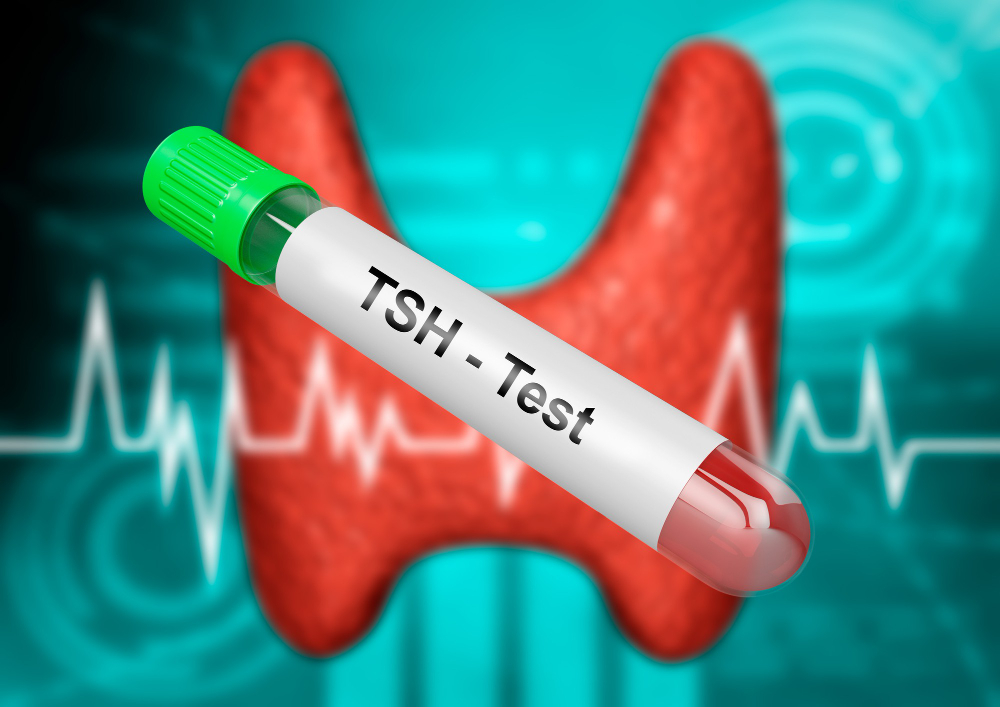
The thyroid profile test checks how well your thyroid gland works. This test measures three main hormones: T3, T4, and TSH. Your doctor may order a thyroid profile test if you have symptoms of thyroid problems. Often, this test is called a thyroid function test. It helps find out if your thyroid is making too much or too little hormone.
Why Is the Thyroid Profile Test Important?
Because the thyroid gland controls many body functions, checking its health is key. The thyroid profile test helps spot problems early. For example, it can show if you have an overactive or underactive thyroid. Early detection allows for better treatment. In addition, the test can help monitor ongoing thyroid conditions. This way, your doctor can adjust your care as needed.
Key Components: T3, T4, and TSH Explained
Each part of the thyroid profile test gives important information. Let’s look at what each hormone does:
Because these hormones work together, checking all three gives a full picture of thyroid health.
Normal Ranges and What They Mean
Doctors use normal thyroid test values to check your thyroid function. These ranges can vary by lab, but common values are:
If your results are outside these ranges, your doctor will explain what it means. Sometimes, even a small change can affect how you feel.
Common Symptoms of Thyroid Imbalance
When your thyroid is not working right, you may notice changes in your body. For example, you might feel tired or have trouble with weight. Other symptoms can include:
Because these symptoms are common, a thyroid profile test helps find the real cause.
Causes of Abnormal Thyroid Levels
Many things can change your T3, T4, and TSH levels. For instance, autoimmune diseases like Hashimoto’s or Graves’ disease can affect the thyroid. In some cases, certain medicines or iodine levels may also play a role. Infections, stress, or pregnancy can lead to changes as well. Because there are many causes, your doctor will look at your health history and symptoms.
How Is the Test Performed?
Getting a thyroid profile test is simple. First, a healthcare worker takes a small blood sample from your arm. The blood goes to a lab for testing. Usually, the process takes only a few minutes. Most people feel little pain, though you may notice a small bruise. Because the test is quick, you can return to normal activities right away.
How to Prepare for a Thyroid Profile Test
In most cases, you do not need to fast before the test. However, always check with your doctor for special instructions. Sometimes, certain medicines can affect your results. For example, thyroid pills or steroids may need to be stopped before testing. Always tell your doctor about all medicines and supplements you take. This way, your results will be more accurate.
Understanding Your Test Results
After the test, your doctor will review your T3, T4, and TSH levels. If your levels are too high, you may have hyperthyroidism. If they are too low, you may have hypothyroidism. Sometimes, only one value is off, so your doctor may order more tests. Because thyroid problems can be complex, your doctor will explain what your results mean for you.
Lifestyle Tips for Thyroid Health
Although medicine may be needed, healthy habits also support your thyroid. For example, try these tips:
Because small changes can help, talk with your doctor about the best plan for you.
Prevention and Monitoring
Regular check-ups help catch thyroid issues early. If you have a family history of thyroid problems, tell your doctor. In addition, people with certain health conditions may need more frequent testing. Always watch for new symptoms and share them with your healthcare provider. By staying aware, you can help keep your thyroid healthy for life.