What is a Lipid Profile Test?
A lipid profile test is a simple blood test. It measures the levels of fats in your blood. These fats include cholesterol and triglycerides. Doctors use this test to check your risk for heart health problems. In many clinics, the lipid profile test is part of a routine health check.
Why is Cholesterol Important for Heart Health?
Cholesterol is a waxy, fat-like substance found in your blood. Your body needs some cholesterol to work well. However, too much cholesterol can build up in your blood vessels. As a result, this buildup can block blood flow to your heart and brain. Over time, blocked vessels can cause heart attacks or strokes. For this reason, understanding cholesterol is key to heart health.
Types of Cholesterol Measured
The lipid profile test checks several types of cholesterol. Each type affects your heart in different ways. Here are the main types:
How the Lipid Profile Test is Done
Usually, a healthcare provider will draw a small sample of your blood. For the most accurate cholesterol test results, you may need to fast for 9 to 12 hours before the test. During this time, you should not eat or drink anything except water. After the blood draw, the sample goes to a lab for analysis. Most people get their results within a few days. In some clinics, you can get results on the same day.
Normal and Abnormal Cholesterol Levels
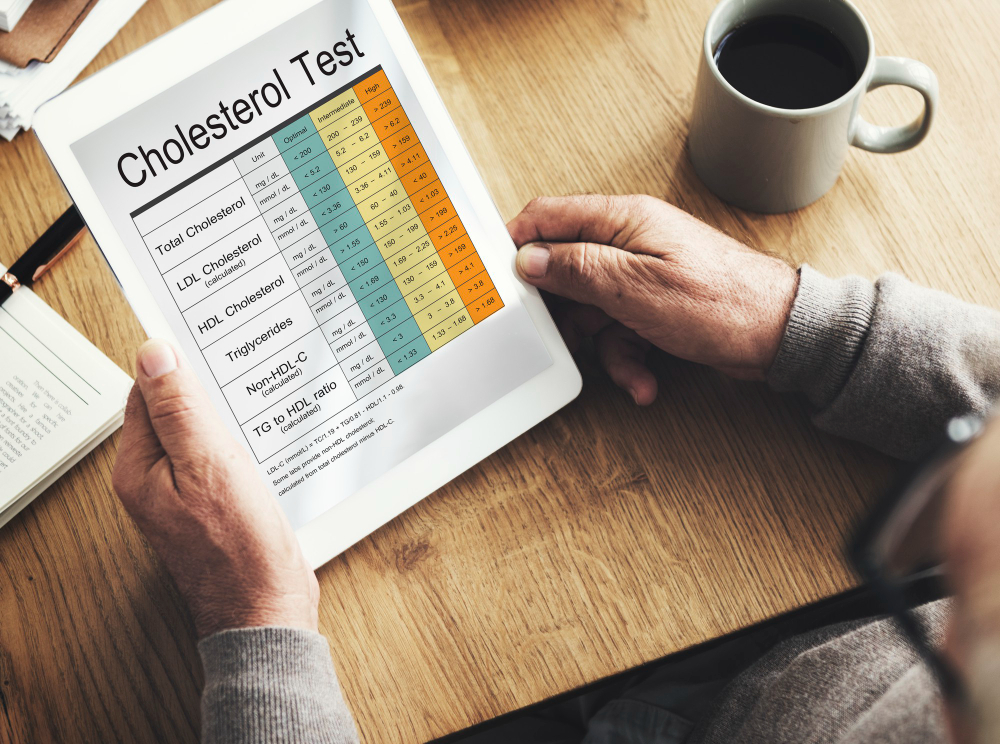
Doctors use set ranges to decide if your cholesterol is healthy. These ranges are based on guidelines from the CDC and WHO. Here are common reference ranges for adults:
If your numbers are higher or lower than these, it may mean you have a higher risk for heart health problems. However, your doctor will look at your whole health picture before making any decisions.
Risk Factors for High Cholesterol and Heart Disease
Many things can raise your cholesterol levels. Some risk factors you can control, while others you cannot. For example, your age and family history play a role. However, your lifestyle choices matter too. Common risk factors include:
Interpreting Your Lipid Profile Results
After you get your cholesterol test results, your doctor will help you understand what they mean. Sometimes, your numbers may be high, but your overall risk is low. Other times, even a small increase can be important if you have other risk factors. For instance, low HDL or high LDL can signal a need for lifestyle changes. Your doctor may also check your triglyceride levels to get a full picture of your heart health risks.
Lifestyle Changes to Improve Cholesterol Levels
Making healthy changes can help lower your cholesterol. Even small steps can make a big difference over time. Here are some tips:
According to the WHO, these changes can help lower your heart health risks and improve your cholesterol levels.
Prevention Tips for Maintaining Healthy Cholesterol
Even if your cholesterol is normal, it is wise to keep healthy habits. For example, regular check-ups can help catch changes early. You can also:
By following these tips, you can protect your heart and lower your risk for future problems.
Conclusion
If you are concerned about your cholesterol or heart health, schedule a lipid profile test at Dr. Yashwant Chavan can help you understand your results and guide you on next steps.