Introduction to CT Coronary Angiography (CTCA)
Heart disease is a leading cause of illness worldwide. Early detection can save lives. CT coronary angiography (CTCA) is a non-invasive heart scan that helps doctors check for heart disease. This test uses advanced technology to create clear images of your heart’s blood vessels. In this blog, you will learn what CTCA is, why it is done, and how to prepare for it.
What is CTCA?
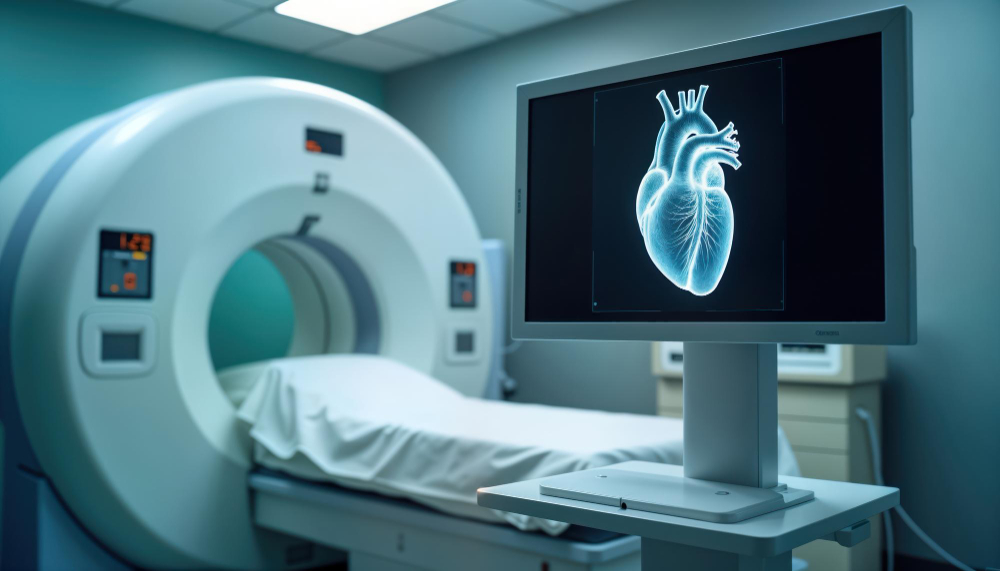
CTCA stands for CT coronary angiography. It is a special type of X-ray test. Doctors use it to look at the blood vessels in your heart. Unlike traditional angiography, CTCA does not require a tube to be inserted into your blood vessels. Instead, it uses a CT scanner and a dye to show detailed pictures of your heart’s arteries. Because it is non-invasive, many people find it more comfortable than other heart tests.
Why is CTCA Performed?
Doctors recommend the CTCA test for several reasons. For example, it helps find blockages or narrow areas in the heart’s arteries. These problems can lead to chest pain or even a heart attack. In addition, CTCA can help:
According to the American Heart Association, early detection with tests like CTCA can improve outcomes for many patients.
How to Prepare for a CTCA
Proper preparation helps ensure clear images. Your doctor will give you specific instructions. However, here are some common steps:
Sometimes, you may need to stop certain medicines before the CTCA procedure for heart disease. Always follow your doctor’s advice.
What to Expect During the Procedure
On the day of your CTCA, you will arrive at the imaging center. First, a nurse may place an IV in your arm. This is used to give the contrast dye. Next, you will lie on a table that slides into the CT scanner. The scan itself usually takes less than 15 minutes. During the scan, you may be asked to hold your breath for a few seconds. After the test, you can usually go home the same day.
Risks and Safety of CTCA
CTCA is considered safe for most people. However, like any test, it has some risks. For instance, you are exposed to a small amount of radiation. The contrast dye can cause allergic reactions in rare cases. Some people may feel warm or have a metallic taste during the injection. According to the CDC, serious side effects are uncommon. If you have kidney problems or are pregnant, tell your doctor before the test.
Understanding Your CTCA Results
After your CTCA, a heart specialist will review the images. The results show if your heart’s arteries are healthy or if there are blockages. Your doctor will explain what the findings mean for you. Sometimes, more tests or treatments may be needed. But often, normal results mean your heart is in good shape. Always ask your doctor if you have questions about your results.
Tips for Heart Health and Prevention
While CTCA helps detect problems, keeping your heart healthy is important every day. You can lower your risk of heart disease by following these tips:
In summary, small changes can make a big difference for your heart.
If you have concerns about your heart, talk to your doctor. Consult DR.Yashwant Chavan to learn if CT coronary angiography is right for you.