
What is the HbA1c Test?
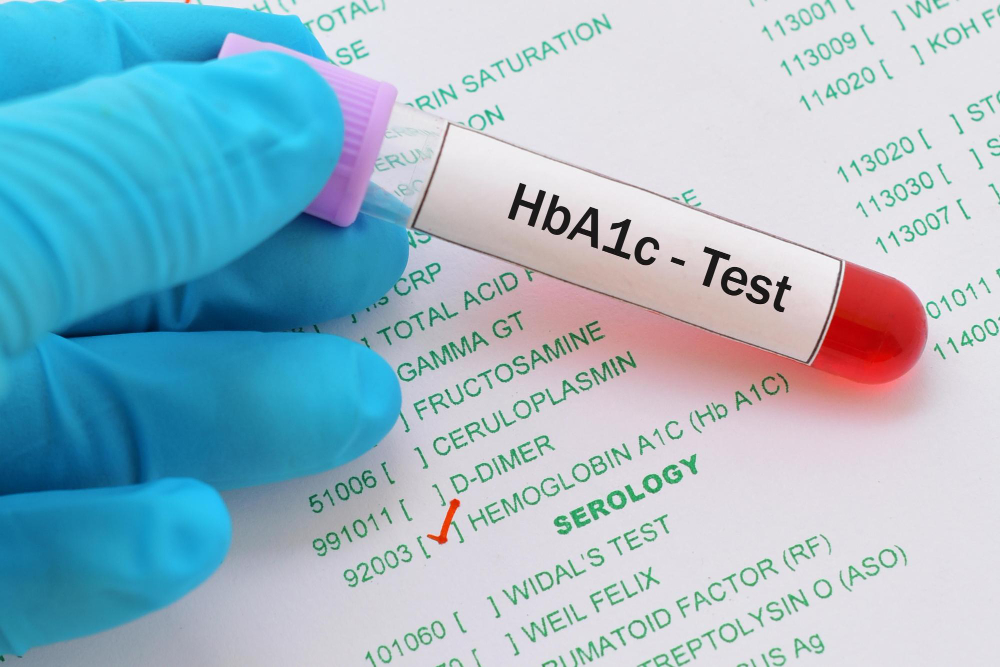
The HbA1c test is a simple blood test. It shows your average blood sugar levels over the past two to three months. Many doctors use the HbA1c test to check for diabetes or to monitor how well diabetes is managed. Because it does not require fasting, the test is easy for most people. According to the CDC, this test is a key tool for diabetes care.
Why is the HbA1c Test Important for Diabetes Monitoring?
For people with diabetes, knowing your average blood sugar levels is important. The HbA1c test helps you and your doctor see if your treatment plan is working. In addition, it can help spot problems early. Regular testing can lower the risk of diabetes complications, such as nerve damage or eye problems. Therefore, many health experts recommend this test at least twice a year for most people with diabetes.
How Does the HbA1c Test Work?
When sugar enters your blood, it sticks to a protein in red blood cells called hemoglobin. The HbA1c test measures the amount of sugar attached to this protein. As a result, the test gives a picture of your average blood sugar levels over time. Unlike daily finger-prick tests, it does not show quick changes. Instead, it shows long-term trends.
Normal and Abnormal HbA1c Ranges
Understanding your HbA1c results is important for diabetes monitoring. Here are common ranges, based on CDC and WHO guidelines:
However, your doctor may set a different target based on your age, health, or other factors. For example, older adults may have a higher target.
How to Prepare for the HbA1c Test
Unlike some blood tests, you do not need to fast before the HbA1c test. You can eat and drink as usual. Still, it helps to let your doctor know about any recent illness or changes in medication. Sometimes, these can affect your results. Also, tell your doctor if you have anemia or a blood disorder. These conditions may change how your HbA1c test is read.
Interpreting HbA1c Results
After the test, your doctor will explain your HbA1c level. Lower numbers mean better blood sugar control. For most adults with diabetes, the goal is often below 7%. However, this can vary. If your number is high, your doctor may suggest changes to your diet, exercise, or medication. On the other hand, a sudden drop may mean you are at risk for low blood sugar. Always discuss your results with your healthcare provider.
Factors Affecting HbA1c Levels
Many things can change your HbA1c test results. For example, the following factors may affect your average blood sugar levels:
Because of these factors, your doctor may use other tests or ask about your health history for a full picture.
Lifestyle Tips for Maintaining Healthy HbA1c Levels
Keeping your HbA1c in a healthy range is possible with some daily habits. For instance, you can try these tips:
According to the World Health Organization, these steps can help lower HbA1c and improve overall health. If you need more advice on how to lower HbA1c, consult Dr. Yashwant Chavan