Introduction to Mammography and Its Role in Breast Cancer Screening
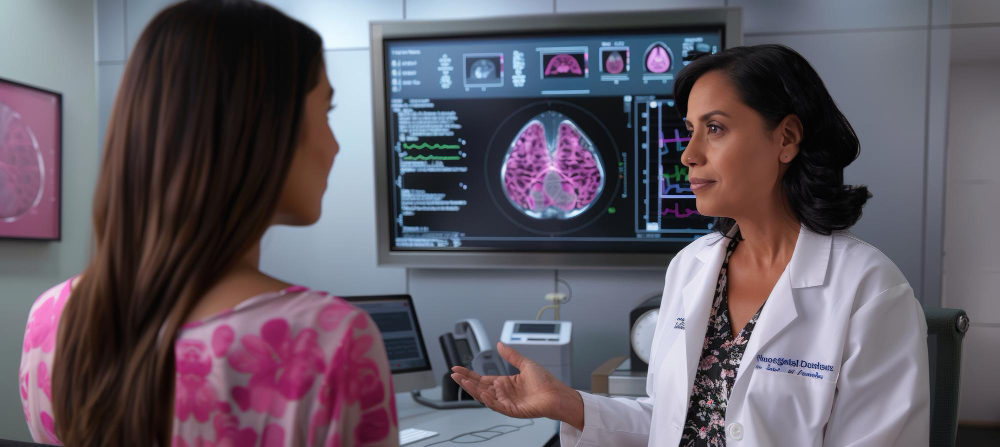
Mammography is a special type of X-ray used to check breast health. It plays a key role in early breast cancer detection. Because breast cancer is common, regular mammography screening can help find cancer before symptoms appear. Early detection gives you more treatment options and a better chance of recovery. According to the World Health Organization (WHO), screening saves lives by catching cancer early.
Why Early Detection of Breast Cancer Matters
Early breast cancer detection is very important. When cancer is found early, it is often smaller and easier to treat. As a result, treatment can be less aggressive. Survival rates are higher when breast cancer is caught early. The Centers for Disease Control and Prevention (CDC) states that early detection can lower the risk of dying from breast cancer. Therefore, regular screening is a smart step for your health.
How Mammography Works
Mammography uses low-dose X-rays to take pictures of the breast. These images help doctors spot changes or lumps that may not be felt during a physical exam. During the test, each breast is gently pressed between two plates. This spreads the tissue for a clear image. Although the pressure may feel uncomfortable, it only lasts a few seconds. Importantly, mammography can find problems before you notice any signs.
Who Should Get Screened and When
Screening guidelines can vary, but most experts agree on some basics. The American Cancer Society suggests women with average risk start mammography screening at age 40 to 45. Women aged 50 to 74 should get screened every one to two years. However, if you have a family history of breast cancer or other risk factors, you may need to start earlier. Always talk to your healthcare provider about the best plan for you.
Benefits and Limitations of Mammography
Mammography offers many benefits, but it also has some limits. Here are a few key points:
Even with these limits, the benefits of regular screening are clear for most women.
What to Expect During a Mammogram
Knowing what to expect can ease your mind. First, you will be asked to undress from the waist up and wear a gown. Next, a technologist will position your breast on the X-ray machine. Each breast is pressed for a few seconds to get clear images. The whole process usually takes about 20 minutes. After the test, you can return to your normal activities. Results are sent to your doctor, who will discuss them with you.
Tips for Preparing for Your Screening
Preparing for your mammography screening can help make the process smoother. Consider these tips:
These steps can help you feel more comfortable and ensure accurate results.
Prevention and Lifestyle Guidance
While mammography is vital, healthy habits also play a role in breast cancer prevention. For example, eating a balanced diet, staying active, and maintaining a healthy weight can lower your risk. Limiting alcohol and not smoking are also helpful. In addition, regular self-exams and knowing your family history can help you stay aware of changes. However, remember that screening is still the best way to catch problems early.
To sum up, mammography screening is a key tool for early breast cancer detection. Consult at Yashwant Chavan to learn more about mammography and schedule your screening.