
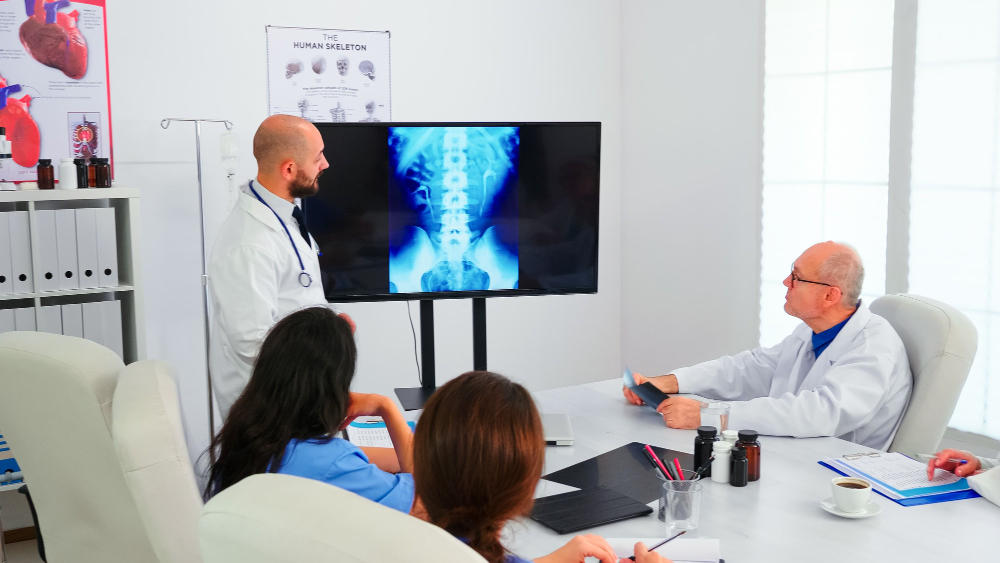
Digital X-rays have changed the way doctors see inside the body. With modern X-ray technology, healthcare providers can diagnose problems faster and more safely. The advantages of digital X-rays include better image quality, lower radiation, and easy sharing of results. Because of these digital radiography benefits, digital imaging in healthcare is now common in many clinics and hospitals.
What Are Digital X-Rays?
Digital X-rays use electronic sensors instead of traditional film. As a result, images are captured and stored on a computer. This process is called digital radiology. Unlike old X-ray methods, digital imaging is quick and does not need film development. Therefore, doctors can see results almost right away. Many hospitals and clinics now use digital X-rays because they are safer and more efficient.
Key Advantages of Digital X-Rays
Faster Results and Improved Efficiency
First, digital X-rays provide images within seconds. Because there is no film to develop, doctors can review results quickly. This speed helps patients get answers sooner. Also, if a repeat image is needed, it can be done right away. In emergencies, this quick process can make a big difference.
Enhanced Image Quality
Additionally, digital X-rays offer clear and detailed images. Doctors can zoom in or adjust the brightness to see small details. This helps them spot problems that might be missed on film X-rays. As a result, digital radiology improves diagnosis and patient safety.
Lower Radiation Exposure
Importantly, digital X-rays use less radiation than traditional methods. This makes them safer for patients, especially children and those who need many scans. The World Health Organization (WHO) and other health groups support using lower radiation when possible.
Easy Storage and Sharing
Moreover, digital X-rays are stored on computers. This means doctors can access your images anytime. If you visit another clinic, your images can be shared quickly. This easy sharing helps doctors work together for better care.
Environmentally Friendly
Finally, digital X-rays do not use film or chemicals. Because of this, they produce less waste. This is better for the environment and helps clinics reduce pollution.
How Digital X-Rays Improve Patient Care
Digital X-rays help doctors make quick and accurate decisions. Because images are clear and easy to access, treatment can start sooner. Also, lower radiation means less risk for patients. For example, children and pregnant women benefit from safer scans. In addition, doctors can compare new and old images easily. This helps track changes in your health over time. Overall, digital imaging in healthcare leads to better patient care and safety.
Common Uses of Digital X-Rays in Healthcare
Digital X-rays are used in many areas of medicine. For instance, they help doctors:
Because digital radiology is fast and accurate, it is used in emergency rooms, dental clinics, and regular doctor visits.
Safety and Precautions
Although digital X-rays use less radiation, safety is still important. Doctors only order X-rays when needed. They also use shields to protect parts of your body. If you are pregnant or think you might be, tell your doctor before any X-ray. The Centers for Disease Control and Prevention (CDC) and other experts say digital X-rays are safe when used correctly.
Conclusion
In summary, digital X-rays offer many benefits. They provide fast, clear images with less radiation and are easy to share. Because of these advantages, digital radiology is now a key part of modern healthcare. If you have questions about digital X-rays, consult your healthcare provider or a radiology specialist at SGM Hospital Mahagaon ,Gadhinglaj ,Kolhapur to learn more about how they can benefit your health.